Incident Report: Spontaneous Combustion of Laboratory Pipettes
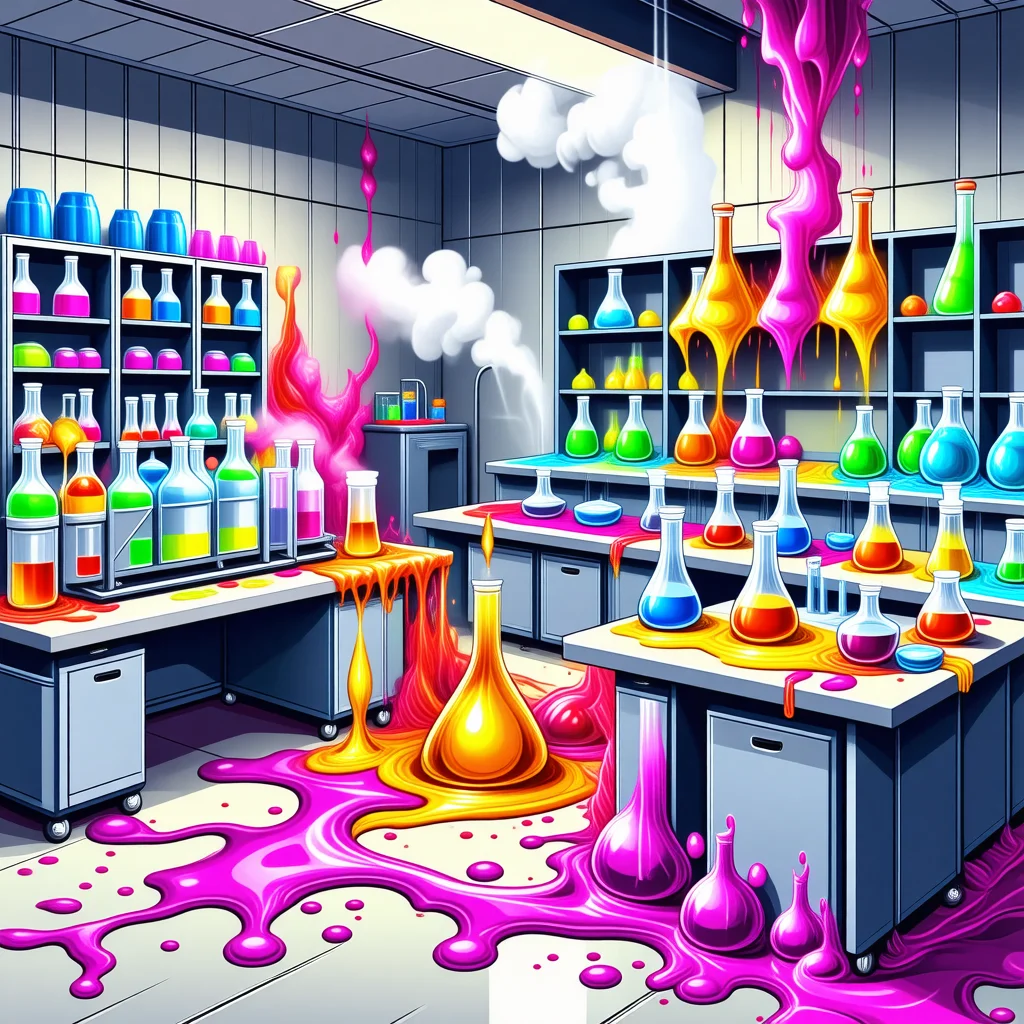
Incident Report: Spontaneous Combustion of Laboratory Pipettes
Date of Incident: October 12, 2023
Location: Lab 5B, Chemistry Department
Reported by: Brenda K. Hazmat, Senior Safety Compliance Officer (Retired)
Summary of Incident
On the aforementioned date, an event was observed involving the spontaneous combustion of a batch of laboratory pipettes. The event occurred during a routine titration procedure involving hydrochloric acid (HCl) and sodium hydroxide (NaOH). Laboratory Technician A initiated the procedure at approximately 10:15 AM. It was noted that the pipettes, standard issue glassware, began exhibiting signs of thermal stress at approximately 10:23 AM, resulting in combustion at 10:24 AM.
Procedural Details
The titration procedure was conducted in accordance with laboratory protocol 8-2.1.1, which includes the use of personal protective equipment (PPE) such as lab coats, goggles, and gloves. The pipettes, marked with catalog number GLA-PIP-2023, were procured from a reputable supplier and were inspected prior to use. The combustion occurred despite adherence to these guidelines, suggesting an unforeseen interaction.
According to Regulation 14.C.7 (incorrectly cited) regarding the use of glassware, the handling procedures for the pipettes were followed, although it was later discovered that the regulation pertains to the storage of volatile substances.
Analysis
The combustion of glass pipettes is atypical and warrants further investigation. Preliminary analysis suggests a possible manufacturing defect or an unexpected exothermic reaction between the pipette material and the chemical agents utilized. It is noted that no cross-contamination was detected, as per standard cross-contamination checks (Protocol 9-5.3.4), which are typically unnecessary for glassware.
Recommendations
To mitigate future incidents, it is recommended to review the manufacturer’s specifications for glass pipettes more frequently. Additionally, consideration should be given to implementing a color-coded pipette system, although this would not directly address combustion risks.
Further, it is suggested that laboratory personnel undergo additional training on the history of glassware in scientific exploration to enhance understanding of material properties, albeit this measure is unlikely to prevent similar future occurrences.
Conclusion
The incident involving the combustion of pipettes was managed according to existing safety protocols. While there was mild professional concern regarding the procedural adherence and the unexpected nature of the event, proper protocols were largely followed, albeit with some deviations due to the incorrect application of certain guidelines. Continued vigilance and adherence to revised protocols are advised to prevent recurrence.